

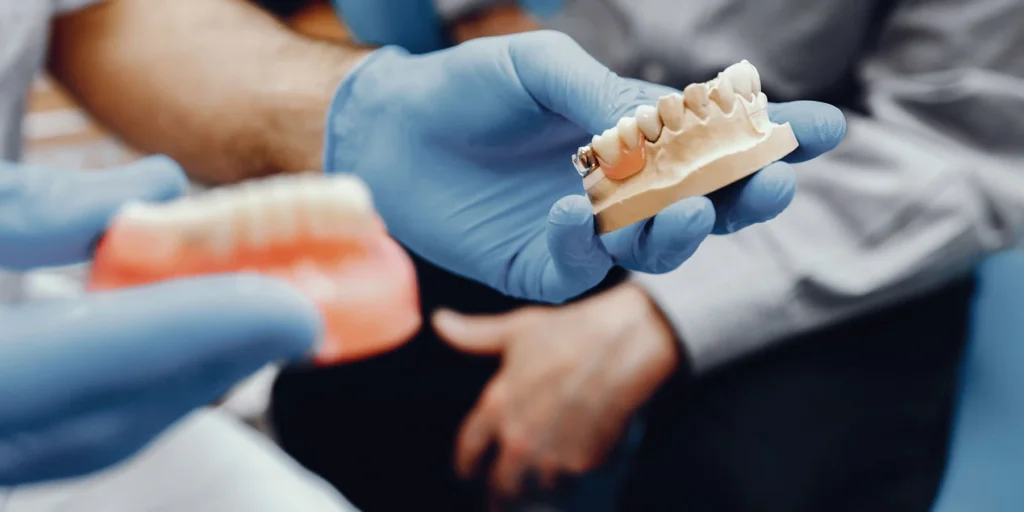
Missing teeth can affect much more than just your smile. They can impact chewing, speech, confidence, bite balance, and even the long-term health of your jawbone. Many patients delay treatment, assuming a missing tooth is only a cosmetic issue, but over time it can lead to shifting teeth, bone loss, and difficulty maintaining proper oral function.
At Maxora Clinic, Sion, Mumbai, one of the most common questions patients ask is whether they should choose dental implants or dental bridges for replacing missing teeth. Both are effective solutions, but the right option depends on your oral health, bone condition, surrounding teeth, and long-term treatment goals.
Understanding the difference between the two helps patients make a more confident and informed decision.
Common Symptoms of TMJ Disorders
A dental implant is a titanium post that is surgically placed into the jawbone to act as an artificial tooth root. Once the implant heals and integrates with the bone, a crown is placed on top to restore the appearance and function of the missing tooth.
Dental implants are designed to look, feel, and function like natural teeth.
Some key benefits of dental implants include:
- Long-term durability and stability
- Preservation of jawbone health
- No damage to adjacent healthy teeth
- Improved chewing efficiency
- Natural appearance and comfort
Because implants replace both the root and the visible tooth, they provide a more complete and long-lasting solution.
What Are Dental Bridges?
A dental bridge is a restoration used to replace one or more missing teeth by using the support of neighboring natural teeth. The adjacent teeth are prepared to hold the bridge in place, and the missing tooth area is restored with an artificial replacement.
Bridges are often chosen when a quicker or less invasive option is preferred.
Benefits of dental bridges include:
- Faster treatment process
- Lower initial cost
- Effective replacement for selected cases
- No surgical placement required
However, bridges may require trimming healthy neighboring teeth and do not prevent bone loss in the missing tooth area.
Which Option Is Better for Long-Term Oral Health?
When comparing dental implants and bridges, implants are often considered the better long-term solution—especially for patients looking for durability and stability.
Dental Implants
- Longer lifespan
- Better support for jawbone preservation
- Independent replacement without affecting nearby teeth
- Stronger chewing function
- More natural long-term comfort
Dental Bridges
- Shorter treatment time
- Suitable for specific cases
- Lower upfront cost
- May require future replacement
- Limited protection against bone loss
Patients with good bone support and long-term restorative goals are often better candidates for implants.
How We Help at Maxora Clinic
At Maxora Clinic, every implant and prosthodontic case begins with a detailed evaluation using advanced diagnostics, including CBCT imaging and digital treatment planning. This helps us assess bone quality, bite balance, and the overall health of surrounding teeth before recommending the best solution.
Our goal is always to provide ethical, specialist-led treatment that supports both function and long-term oral health.
Conclusion
Both dental implants and bridges are valuable treatment options, but the best choice depends on your individual case. While bridges may be suitable for some patients, dental implants often provide stronger long-term results, better stability, and improved oral health benefits.
Choosing the right solution early can help prevent further complications and restore both confidence and comfort.
Consult our implant specialists at Maxora Clinic to find the right tooth replacement solution for your smile and long-term oral health.